WorkSense
WorkSense | Labour Contracts & Hiring
Foreign workers in Japan often can't get straight answers about their employment rights. WorkSense covers the basics — verified by a licensed Social Insurance and Labour Consultant.
For your business
For those looking to enter the Japanese business market, the high expectations from customers might feel daunting. Let's now heed the advice of Omotenashi Ambassador Kayo, whose unique perspective is informed by her own journey from housewife to entrepreneur.
People
We've seen that 'omotenashi' (welcoming guests in Japanese) transcends basic service by addressing needs customers haven't even recognised themselves, according to Kayo, the Omotenashi Ambassador. Now, we turn to her to explore: What core driver motivates this extraordinary level of mindfulness?
Are you familiar with the Japanese word omotenashi? Literally meaning ‘to welcome guests’, it has become widely used in recent years among Japanese speakers, though its interpretation varies.
Foreign workers in Japan often can't get straight answers about their employment rights. WorkSense covers the basics — verified by a licensed Social Insurance and Labour Consultant.
Are you familiar with the Japanese word omotenashi? Literally meaning ‘to welcome guests’, it has become widely used in recent years among Japanese speakers, though its interpretation varies.
Divorce in Japan has implications beyond the legal dissolution of marriage for foreign residents, affecting visas and other aspects of life, whether married to Japanese nationals or are both foreign citizens. We asked an administrative scrivener/immigration lawyer well-versed in these procedures.
Opening a corporate bank account is a must when doing business in Japan, as it can be used for funding and enhance your company's credibility. We have summarised the types and characteristics of financial institutions in Japan with a list of required documents and conditions.
Can you really be refused a corporate bank account just because you are a foreigner? To find out, we interviewed an immigration lawyer who has helped foreign business owners manage funding challenges, including opening corporate bank accounts in Japan for years.
The 'Kobutsusho Kyoka' (古物商許可), or secondhand dealer license in English, is required in Japan for businesses dealing in reuse and recycle legally. This article will explain the license, including how to apply for it, and then discuss the current state of the reuse market in Japan.
Some premium content is available with a paid subscription
Divorce in Japan has implications beyond the legal dissolution of marriage for foreign residents, affecting visas and other aspects of life, whether married to Japanese nationals or are both foreign citizens. We asked an administrative scrivener/immigration lawyer well-versed in these procedures.
A well-known Showa-era singer, Haruo Minami, sang the theme song for the #OsakaExpo in 1970, 'Sekai no Kuni kara Konnichiwa' (Hello from Countries Around the World). This song became an iconic tune of the Expo and is widely known as one of Minami's signature songs.
In Japanese, there are instances where the name given to something doesn't match its reality. Is euphemism the reason for this discrepancy? Is this just a Japanese phenomenon?
Given the rise in inquiries, I've compiled a list of previous articles that explain the recent openings and nature of subsidies. I hope this is helpful.
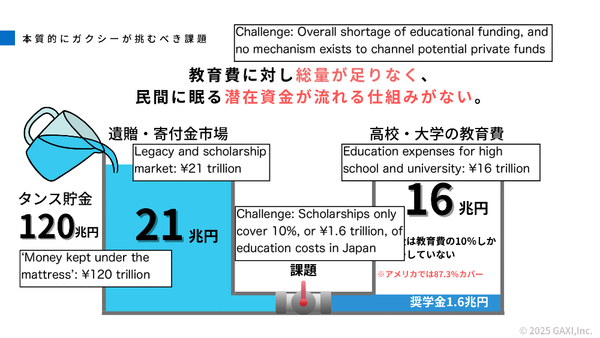
To discuss scholarships in Japan, it's important to clarify the situation first. There are two categories: a 'benefit type' (no repayment required) and a 'loan type' (repayment required after graduation). Both of these are called 'scholarships' in Japan.
The Japanese government has announced the 'Small Business Sustainability Subsidy (Startup Category),' providing up to ¥2m. Eligibility: Businesses within 3 years. This initiative offers crucial funding for startups to foster innovation and growth.
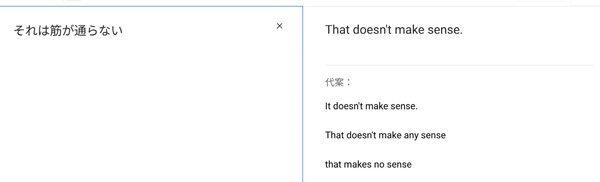
While I was interpreting between a Japanese expert and his client, an English speaker, the expert abruptly said, 'それは筋が通らないです (Sore wa suji ga tooranai desu; That doesn't make sense)'. What did he mean?
This MHLW grant supports spending on measures that enhance production efficiency for companies implementing 'Work Style Reform' to boost productivity.
The Japanese government provides two main types of funding to companies: hojokin and joseikin. Generally, funding from the Ministry of Economy, Trade and Industry (METI) is called hojokin, while funding from the Ministry of Health, Labour and Welfare (MHLW) is called joseikin.
In the previous article, we introduced an MHLW grant available to companies that employ single mothers and people with disabilities, which can be used for HR purposes. This article explains the grants available to companies that convert fixed-term employees to full-time status.
While Small Business Japan has typically focused on subsidies from the Ministry of Economy, Trade and Industry (METI), this article introduces those provided by the Ministry of Health, Labour and Welfare (MHLW), which promote the improvement of the working environment and conditions at companies.
Its distinctive feature is the broader range of eligible uses compared to other general subsidies. However, it is also competitive, and the application process is time-consuming, making it hard to justify the time and effort. To gauge its competitiveness, I reviewed the data.